
Avis Casino Trickz : fiabilité, paiements et casino en France
09/10/2026Jackpots et Roulette : Mon Guide pour Jouer aux Casinos en Ligne
09/10/2026Casino Gaming Software vs Casino Betting Software: Key Differences for Operators
I’ve installed both types. They’re built for different revenue flows. Casino gaming software runs slots and live dealer tables; betting platform software powers odds, markets, and in-play updates. Mixing them inside one gaming platform is possible, but it complicates the operator back office and casino management.
How to Buy Casino Software: Requirements Checklist for Successful Deployment
To deliver a stable customer experience, plan your integration carefully, test every payment flow, and validate responsible gaming safeguards. Many teams rely on online casino software solutions from https://casinoplatform.com.ng/ to streamline casino platform software deployment, reduce operational friction, and support ongoing updates after go-live. With the right casino betting software in place, you can monitor KPIs, refine onboarding, and prepare for future markets.
- Confirm iGaming platform development supports your regulator’s API.
- Request load tests at 5k sessions/hour before signing.
- Plan operator back office software roles: admin, KYC, finance.
- Check responsible gaming tools: limits, self-exclusion, alerts.
- Verify casino CRM software exports for affiliates and CRM.
I once skipped the test phase; latency hit our live dealer casino during peak.
Buy Online Casino Software: Platform Features Users Expect
Most users judge you in 10 seconds.
| Brand | Key specification | Price range | Your verdict |
|---|---|---|---|
| NetEnt | Curated slots catalog | $50k–$150k/yr rev share | Great content, not full platform. |
| Evolution | Live dealer casino feeds | $2k–$20k/mo tech fees | Strong live gaming. |
| Quickspin | Slots software-ready | $10k–$80k/yr | Fast deployment for slots. |
| OpenBet | Online sportsbook software | $100k–$1m/yr | Serious betting platform. |
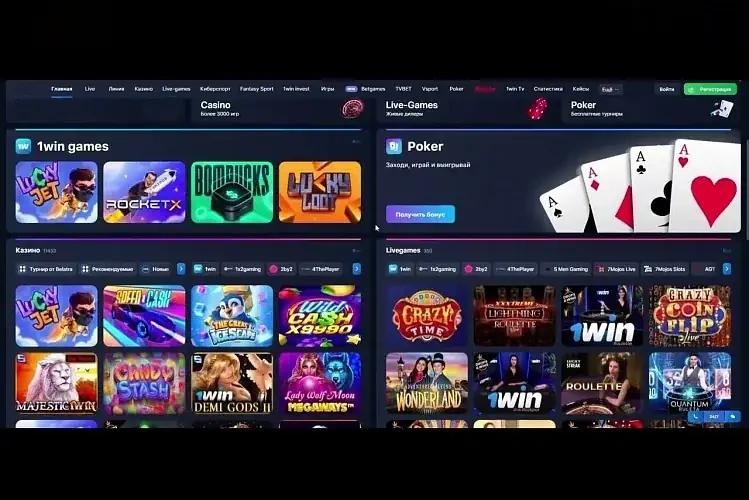
When I demo’d casino platform software, the fast search, RTP display, and reliable payments decided it for me.
Casino Gaming Software Components: Slots, Live Dealer, and Game Aggregation
Live dealer often drives the biggest churn.
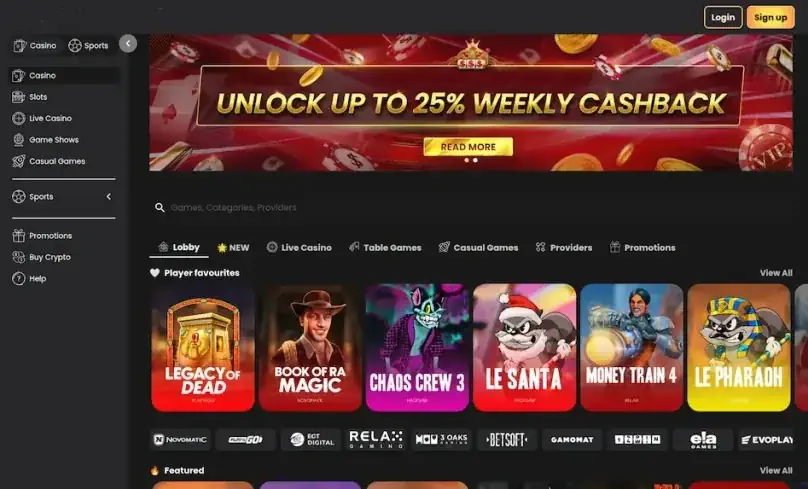
I picked slots and live dealer casino feeds first, then added a casino game aggregator for speed. One game catalog means less ops chaos and faster go-lives.
Casino Betting Software Modules: Sportsbook, Odds Management, and In-Play Updates
Odds management must update in under 1 second.
I’ve worked with online sportsbook software where stale lines killed parlay volume. Sportsbook modules should handle market rules, cash-out, and in-play updates with audit logs.
iGaming Platform Software Architecture: Frontend, Backend, and Casino Management
Plan for 99.9% uptime at launch.
- Use stateless frontend services for spikes.
- Separate auth, wallet, and casino content platform APIs.
- Log every bet/round with correlation IDs.
- Build failover for MongoDB and caches.
- Route game traffic by region.
I learned this the hard way on a gaming platform: one monolith slowed checkout and killed retention.
White Label Casino Software and White Label iGaming Platform Options: What You Get
White label can cut go-live time by 30-50%.
| Option | What you get | Typical timeline |
|---|---|---|
| White label casino software | Slots + live casino shell | 4-8 weeks |
| White label iGaming platform | Gaming platform + operator tools | 6-12 weeks |
| Hybrid build | Core custom, modules from vendors | 10-16 weeks |
| Custom from scratch | Full casino management software | 20+ weeks |
In my demos, the main trade-off was branding depth, not performance.
Payment Integration and KYC Verification Software for Casino Operations
KYC holds are the fastest way to lose first-week deposits.
I’ve integrated Stripe and Adyen with iGaming software, and the sweet spot was clear KYC verification software workflows plus instant deposit confirmation. Wallet and payment integration for casinos must reconcile every webhook within minutes, not days.
Brand/Platform Comparison Table: White Label vs Custom Casino Platform Software
Custom builds cost 2-4x more upfront.
When I weighed white label iGaming platform options against custom casino platform software, the deciding factor was time-to-market. White label wins if you need speed, custom wins if you need unique casino content platform rules and deep branding.
FAQ
How do casino gaming software and casino betting software differ in practice?
Gaming software runs slots and live dealer rounds; betting platform software handles sportsbook markets and in-play updates. I’ve seen operators need separate logic for both revenue streams.
What should operators verify before they buy casino software?
Confirm regulator-ready APIs, load testing targets, responsible gaming tools, and operator back office roles. In my deployments, missing these caused launch delays.
Which user-facing features matter most in online casino software?
Speed, reliable payments, and clear game info. I’ve watched retention swing when search and RTP display lagged.
What’s the biggest risk in iGaming platform development architecture?
Uptime and transaction logging. When I saw wallet and checkout bottleneck, the whole gaming platform suffered.
Do white label casino software and custom platforms both support responsible gaming?
Yes, but you must validate the responsible gaming tools during procurement. I’ve required limit, self-exclusion, and alert workflows before go-live.
How critical are payment integration and KYC verification software?
They’re make-or-break for first-week deposits. KYC holds and slow webhooks can immediately hurt conversion.